






Mica, a naturally occurring silicate mineral, is valued for its exceptional thermal, electrical, and mechanical properties. One of its most versatile forms, flexible mica sheets, finds applications in various industries, from electrical insulation to high-temperature components. But have you ever wondered how mica paper transforms into these flexible sheets? This blog takes a closer look at the fascinating process and its significance for modern industries.
What is Mica Paper?
Mica paper is a thin, uniform sheet made from muscovite or phlogopite mica flakes. The flakes are processed into fine pulp and bonded together to create a durable and flexible product. Mica paper serves as the foundation for manufacturing flexible mica sheets, combining the mineral’s natural properties with engineered versatility.
The Transformation: From Mica Paper to Flexible Mica Sheets
The process of converting mica paper into flexible mica sheets involves several key steps:
1. Selection of Mica Paper
High-quality mica paper is selected based on the intended application. Muscovite mica paper is preferred for electrical insulation due to its excellent dielectric properties, while phlogopite mica paper is ideal for high-temperature environments.
2. Impregnation with Resins
The mica paper is impregnated with heat-resistant resins, such as silicone or epoxy. This step enhances the mechanical strength and flexibility of the final sheet while preserving mica’s natural thermal and electrical properties.
3. Layering and Lamination
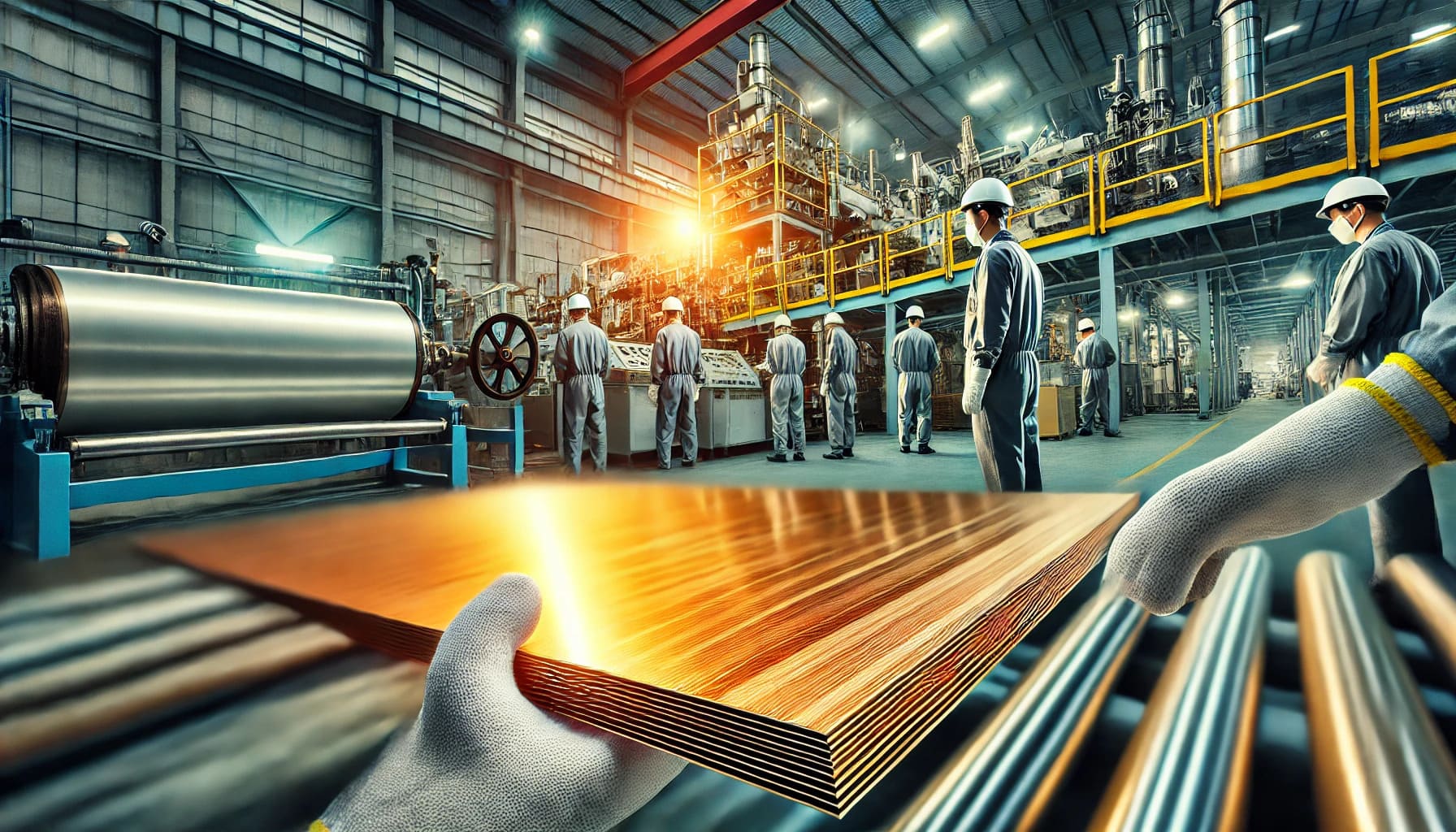
Multiple layers of resin-impregnated mica paper are stacked together. The layers are compressed and laminated under high pressure and temperature to form a single cohesive sheet. This process ensures uniform thickness and consistency across the sheet.
4. Curing
The laminated sheet undergoes curing, where it is heated to solidify the resin and bond the layers firmly. This step imparts flexibility and durability to the mica sheet, making it suitable for demanding applications.
5. Cutting and Finishing
The cured mica sheets are cut into desired shapes and sizes, depending on the end-use requirements. Additional finishing processes, such as surface treatments, may be applied to enhance performance.
Properties of Flexible Mica Sheets
Flexible mica sheets retain the intrinsic properties of mica while offering enhanced usability:
- High Thermal Resistance: Suitable for temperatures up to 1000°C.
- Excellent Electrical Insulation: Ideal for electrical and electronic applications.
- Flexibility: Easy to shape and install in complex configurations.
- Chemical Resistance: Resistant to oils, solvents, and acids.
- Durability: Withstands mechanical stress and environmental exposure.
Applications of Flexible Mica Sheets
- Electrical Insulation
Flexible mica sheets are widely used in motors, generators, transformers, and other electrical equipment to provide reliable insulation and prevent overheating. - Thermal Insulation
Industries like metallurgy, aerospace, and automotive rely on mica sheets for high-temperature insulation in furnaces, heat shields, and gaskets. - Consumer Electronics
Mica sheets are used in devices like hair dryers, toasters, and microwaves for their heat-resistant properties. - Renewable Energy
In solar panels and wind turbines, mica sheets enhance efficiency and safety by providing insulation and thermal stability.
Why is the Conversion Process Important?
The transformation of mica paper into flexible mica sheets ensures the material can meet the demands of modern industries. The process adds durability and adaptability, enabling mica to serve in applications where natural sheets would fail due to brittleness or inconsistency.
Sustainable Practices in Mica Sheet Production
As demand for mica-based products rises, manufacturers are adopting sustainable practices, such as:
- Sourcing mica ethically to prevent child labor and unsafe mining conditions.
- Recycling mica waste to minimize environmental impact.
- Using eco-friendly resins and processes to reduce carbon footprints.
Conclusion
The conversion of mica paper into flexible mica sheets is a testament to engineering innovation. By combining mica’s natural properties with modern manufacturing techniques, industries gain access to a material that meets the highest standards of performance and reliability. Whether it’s insulating a high-voltage transformer or protecting a spacecraft from extreme heat, flexible mica sheets play an indispensable role in today’s technological advancements.
For businesses seeking top-quality mica sheets, partnering with ethical and innovative manufacturers ensures products that meet both performance and sustainability goals.