





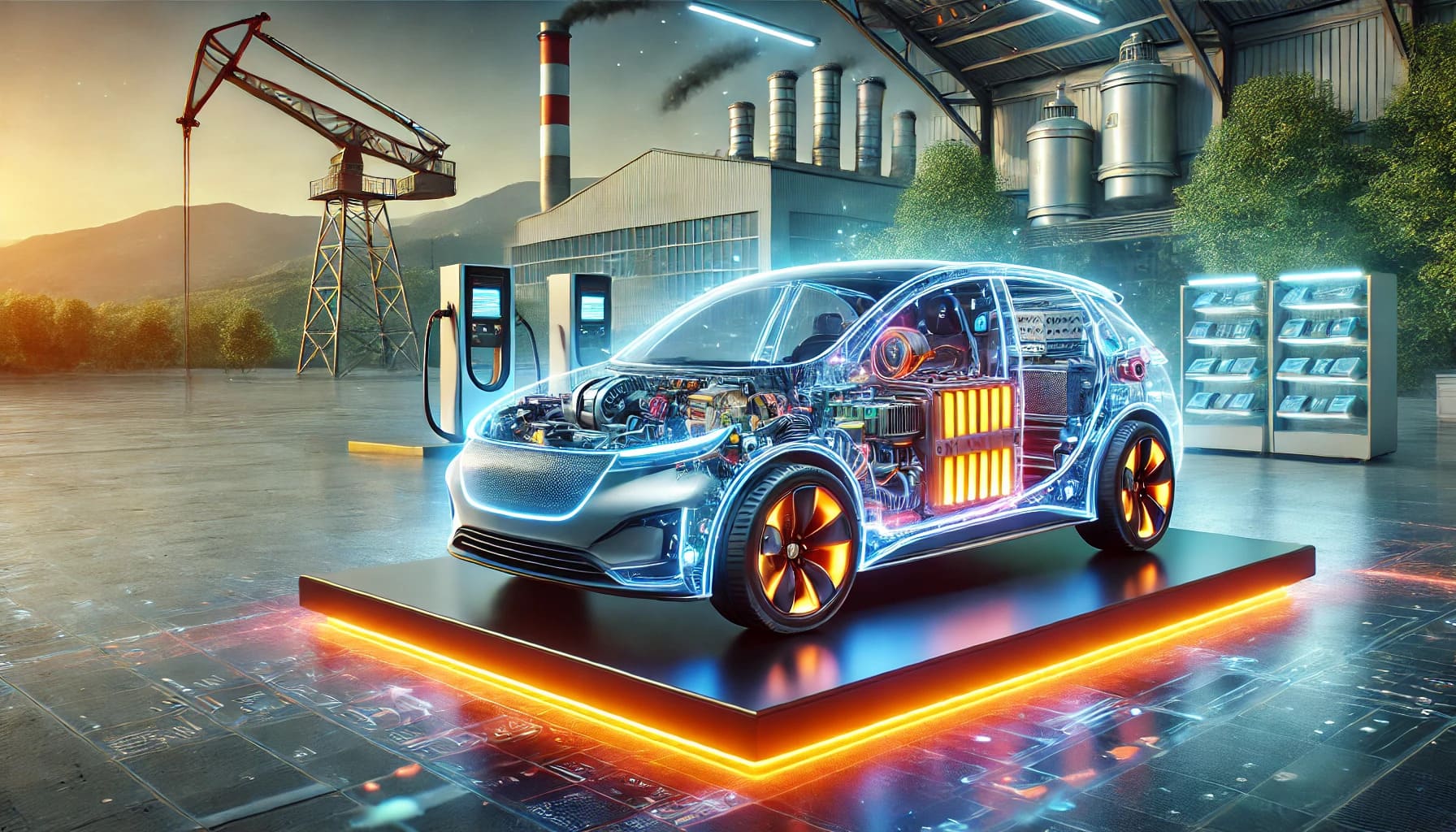

The electric vehicle (EV) industry is revolutionizing the automotive landscape, driven by advancements in technology and the push for sustainable transportation. Behind the scenes, materials like mica play a crucial role in ensuring the efficiency, safety, and reliability of EVs. Renowned for its exceptional thermal, electrical, and insulating properties, mica is emerging as an indispensable material in the EV sector.
Why Mica is Essential for EVs
1. Thermal Management
Electric vehicles rely heavily on components such as batteries, inverters, and motors that generate significant heat during operation.
- Mica’s ability to withstand extremely high temperatures without degradation makes it ideal for thermal insulation.
- It protects sensitive EV components from overheating, ensuring optimal performance and longevity.
2. Electrical Insulation
EVs operate on high-voltage systems where electrical insulation is critical.
- Mica is a superb insulator, preventing short circuits and ensuring the safe operation of high-voltage components.
- It is widely used in battery separators and other key parts where electrical insulation is essential.
3. Lightweight and Durable
Weight reduction is vital for improving EV efficiency and extending driving range.
- Mica is lightweight yet durable, aligning perfectly with the goals of EV design.
- Its robustness allows it to endure mechanical and thermal stress, making it a reliable material.
4. High Dielectric Strength
Power electronics in EVs, such as capacitors and inverters, require materials with high dielectric strength to handle intense electrical fields.
- Mica’s ability to resist electrical breakdown under high voltage makes it a valuable component in these systems.
5. Enhanced Safety Features
Safety is a top priority in EV design, and mica contributes significantly:
- It is non-flammable and resists chemical degradation, reducing risks in case of battery thermal runaway.
- These properties enhance the overall safety of EVs, particularly in extreme operating conditions.
Common Applications of Mica in EVs
- Battery Packs
- Mica is used as a thermal insulation layer to manage heat generated during battery operation and charging.
- It serves as a separator to prevent short circuits and enhance safety.
- Motors and Inverters
- Mica provides insulation for wires, windings, and other high-voltage motor components.
- It ensures reliable operation in demanding thermal and electrical environments.
- Charging Infrastructure
- Mica sheets and films are employed in EV chargers to provide thermal and electrical safety.
- They ensure the durability and safety of charging equipment.
How Mica Supports the Growth of EVs
The adoption of mica in the EV industry offers several benefits:
- Improved Efficiency: Its lightweight and insulating properties optimize EV performance.
- Enhanced Safety: Non-flammable and high-dielectric strength characteristics reduce operational risks.
- Extended Lifespan: Mica helps protect critical components from thermal and electrical damage, improving durability.
- Sustainability: As a naturally occurring mineral, mica supports eco-friendly production methods when ethically sourced.
Conclusion
Mica’s unique combination of properties makes it an invaluable material in the electric vehicle industry. From battery packs to charging stations, mica enhances efficiency, safety, and reliability, aligning with the demands of a growing market. As EV adoption accelerates worldwide, mica’s role will continue to expand, supporting innovation and sustainability in this transformative sector.
For manufacturers and stakeholders in the EV ecosystem, leveraging mica’s potential is a step toward creating better, safer, and more efficient electric vehicles.