
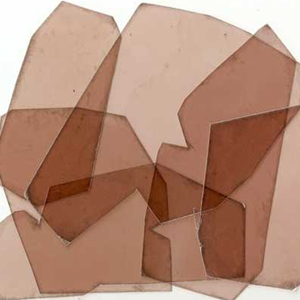
Natural mica blocks remain the starting material for many precision mica components — from heater insulation and gauge discs to washers and capacitor plates. For importers in Europe and Southeast Asia, the hardest part of buying blocks is not finding a seller; it is describing the material clearly enough that two suppliers quote the same thing. This guide explains how mica blocks are classified, how quality is usually described, and what to include in an enquiry to Prime Natural Resources (PNR).
What counts as a "mica block"?
At PNR, mica from the mine is sorted by size and thickness. Pieces with an area larger than 1 square inch and a thickness of 7 mils and above are classified as mica blocks. Blocks are irregular in shape — they are natural cleaved pieces, not cut sheets.
Material below that thickness falls into other classes:
- Mica thins – 2 to 7 mils, used to manufacture fabricated mica.
- Condenser films – high-quality mica, generally under 2 mils, used for silvered mica capacitor plates.
- Splittings – medium-quality mica under 1 mil, supplied bookform or loose, used for micanite products.
Knowing this helps you ask for the right product. If you plan to punch thin discs yourself, thins may suit you better than blocks; if you split and cut in-house, blocks give you the most flexibility. See our processed mica range.
How mica block grades are described
In the Indian mica trade, blocks are commonly sorted into numbered size grades (for example No. 4, No. 5, No. 6) based on the usable area of the piece, and then further described by visual quality. Lower grade numbers generally indicate larger usable area. Because grading conventions can vary between buyers and suppliers, we always recommend confirming the grade with dimensions or a sample before ordering.
Quality descriptions typically cover:
- Colour / type – ruby (muscovite with a ruby tint) or green muscovite.
- Clarity – clear, slightly stained, stained or spotted. Spots and stains are natural mineral inclusions; their acceptability depends on your application.
- Flatness and surface – waviness, cracks, air inclusions and edge condition.
A spotted block can be perfectly suitable for heater insulation or washers, while optical applications such as liquid-level indicators normally demand clearer material.
Ruby or green muscovite?
Both are muscovite mica. Buyers usually choose by application and appearance requirements, and by what is available in the required size grade. If you are unsure, tell us your end use and we will suggest suitable material and share photos of the current lot.
PNR's published reference values for muscovite (as a mineral) include a calcining temperature of 700–800 °C and a maximum operating temperature of 500–600 °C. Where higher temperatures are involved, phlogopite may be considered — read our muscovite vs phlogopite guide. Always confirm the rating of the finished component, not just the mineral.
Where PNR's mica comes from
Prime Natural Resources owns and operates a muscovite mica mine in the Dhodakola area of Jharkhand, with its factory and head office in Jhumri Telaiya, Koderma — the historic mica region of India. Material is selected, graded and processed in-house before packing. Learn more about PNR.
What to include in your mica block RFQ
A complete enquiry gets you a faster, comparable quotation:
1. Grade / size – the size grade you use (e.g. No. 5) or the minimum usable dimensions.
2. Thickness – minimum and preferred range.
3. Quality – ruby or green; clear, stained or spotted; any defects that are unacceptable.
4. Application – heater insulation, gauge discs, washers, splitting for fabrication, etc.
5. Quantity – trial lot and expected annual volume.
6. Destination and Incoterm – e.g. FOB Kolkata, CIF your port.
7. Inspection – whether you need photos, a sample or pre-shipment inspection.
Packaging and shipment
Processed and fabricated mica is normally shipped in cardboard or wooden boxes; PNR's standard box is 22 × 16 × 8 inches with 50 kg net. Sea shipments are arranged from Kolkata Port, and urgent lots can move by air cargo or courier (DHL, FedEx, UPS, TNT). See packaging & shipment.
Frequently asked questions
What is the minimum size of a mica block?
At PNR, pieces over 1 square inch in area and 7 mils or more in thickness are classified as blocks.
Can I get photos before ordering?
Yes — ask for photos of the current lot with your enquiry, and specify your grade and quality so the photos are relevant.
Do you supply spotted mica blocks?
Spotted and stained qualities are part of natural block production. Tell us your application so we can confirm suitability.
Do you ship to Europe and Southeast Asia?
PNR ships internationally by sea from Kolkata and by air or courier for urgent orders.
Can you cut blocks to my drawing?
Yes — PNR also supplies fabricated mica cut and punched to customer drawings.
Request a mica block quotation
Share your grade, thickness, quality, quantity and destination port, and our team will respond with availability and an offer.
Email: mica@pnrmica.in · Phone/WhatsApp: +91 82941 54582 · Make an enquiry