
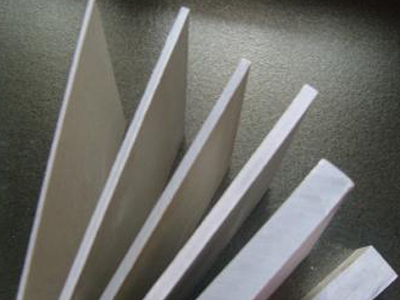
Electric vehicle battery packs and stationary energy storage systems (ESS) pack a lot of energy into a small space. Designers need materials that keep cells, modules and busbars electrically isolated and that slow the spread of heat if one cell fails. Mica-based sheets are one of the materials engineers look at for these barriers, because mica combines electrical insulation with heat resistance.
This guide explains how mica is used in battery insulation, which PNR products are relevant, and what to send Prime Natural Resources (PNR) when you ask for a quote or samples.
Why mica is considered for battery insulation
PNR describes its mica insulation plate as heat retarding, flame resisting, with low thermal conductivity, good electrical insulation and high mechanical strength, and as non-toxic and non-hazardous. Those are the properties a battery barrier needs: keep current where it belongs, and hold back heat and flame long enough for the pack's safety system to act.
Mica is a natural mineral, so unlike many polymer films it does not melt. In a finished sheet, however, the mica is held together by a binder, and the binder and construction decide much of the finished product's behaviour. That is why battery buyers test the finished sheet, not the mineral alone.
Which mica products are relevant
Battery barriers are usually made from bonded mica, built up from thin layers called splittings. The relevant PNR product families are:
- Heat-resisting micanite sheet: high-quality splittings with a low shellac bond, available in muscovite and phlogopite.
- Flexible micanite sheet: clear splittings bonded with or without reinforcement, flexible enough to wrap or fit into place without heating.
- Mica insulation plate: rigid plates in muscovite and phlogopite, used today in furnace lining, resistor heat dissipaters and induction furnaces.
- Splittings: the raw material, for converters who make their own laminates.
All micanite items can be supplied in any size, thickness and shape to the customer's specification, including cut-to-drawing barrier shapes.
Muscovite or phlogopite?
PNR's published reference values give a maximum working temperature of about 600 °C for heat-resisting micanite made from muscovite and about 900 °C for the phlogopite version. PNR mostly uses Madagascar-origin phlogopite.
As a starting point, muscovite suits barriers where electrical insulation is the main job and temperatures are moderate, and phlogopite suits barriers that must face a flame or very hot gas directly. Battery thermal events can be severe, so many designers evaluate both. For a fuller comparison, read muscovite vs phlogopite.
What battery buyers usually ask for
Battery programmes are qualification-driven. Purchasing teams typically come with a list that includes:
- flame classification required by their own or their customer's standard;
- the temperature and exposure time the barrier must survive;
- dielectric strength at a given thickness;
- mechanical data, such as tensile or bending strength;
- material compliance declarations, such as RoHS or REACH;
- a datasheet and samples for their own testing.
Requirements vary from one programme to the next, so send your test method and pass criteria with the enquiry. We will tell you which of our sheets is the closest fit and what data we can provide for it. We would rather confirm a requirement than assume it.
Rigid or flexible?
Rigid plates suit flat barriers between cells or modules, covers over busbars, and pack lids. Flexible sheets suit wrapping around cylindrical cells or fitting into curved spaces. Tell us where the barrier sits in your pack and how it is assembled, and we can suggest the right form. Our micanite selection guide explains rigid, flexible and heat-resisting grades in more detail.
What to include in your RFQ
1. Application: EV pack, module, ESS cabinet, or another battery product.
2. Barrier position: between cells, between modules, busbar cover, lid liner and so on.
3. Form: rigid plate, flexible sheet or splittings.
4. Mica type: muscovite, phlogopite, or "please recommend".
5. Thickness and size: or a drawing for cut parts, with tolerances.
6. Performance requirements: temperature, exposure time, dielectric strength, flame class, and the test methods.
7. Documents needed: datasheet, test reports, compliance declarations.
8. Quantity: samples for testing, pilot volume, expected series volume.
9. Destination and Incoterm: for example FOB Kolkata or CIF your port.
Our fabricated parts RFQ checklist has more on drawings and tolerances.
Samples and shipping
Most battery projects start with samples for testing. Sample material and freight are paid by the buyer, and lead time depends on the product and size. Sea shipments leave from Kolkata Port, and samples usually go by courier. See packaging & shipment.
Frequently asked questions
Is mica used in EV battery packs?
Yes. Mica-based sheets are one of the materials used as electrical and thermal barriers in battery packs and energy storage systems.
Which is better for batteries, muscovite or phlogopite?
It depends on the exposure. Phlogopite micanite has the higher published working temperature (about 900 °C against about 600 °C for muscovite). Many designers test both.
Can you cut mica sheets to my barrier drawing?
Yes. Micanite items can be supplied in any size, thickness and shape to your specification.
Can I get samples for testing?
Yes. Tell us the form, mica type and thickness, and we can arrange samples.
Talk to us about your battery project
Send your application, barrier position, requirements and quantities, and our team will come back with a recommendation and an offer.
Email: mica@pnrmica.in · Phone/WhatsApp: +91 82941 54582 · Make an enquiry